How Does a CO2 Laser Work? A Complete Guide?
News Details
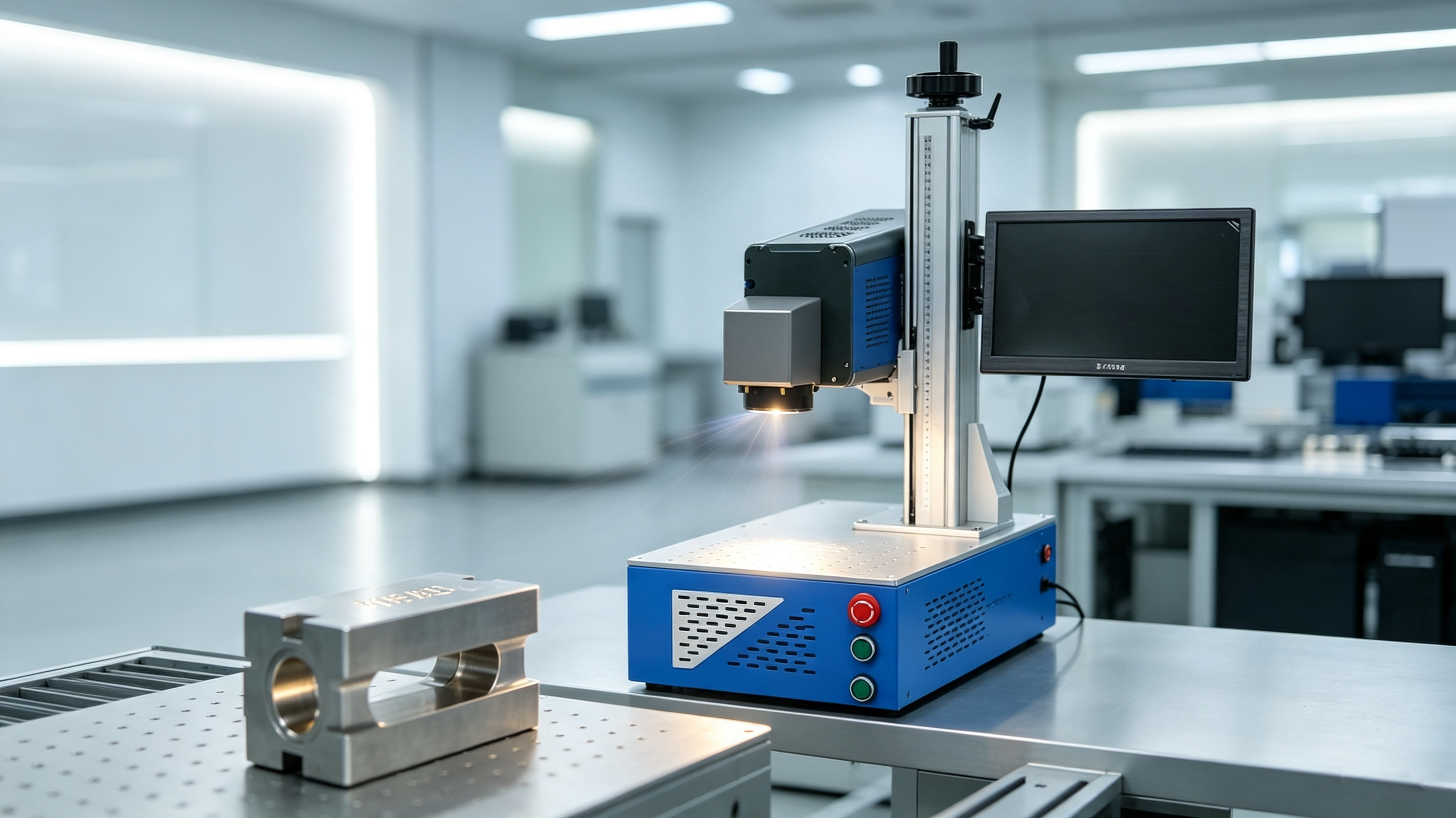
What Is a CO2 Laser?
A carbon dioxide laser, commonly known as a CO2 laser, is one of the earliest and most successful types of gas lasers ever invented. Developed in 1964, it remains a vital tool in modern manufacturing, medicine, and research.
At its core, aCO2 laser produces a beam of infrared light by passing an electrical current through a gas mixture. Because of their high power levels and excellent efficiency, these lasers are widely used for cutting, engraving, welding, and various surgical procedures.
How Do CO2 Lasers Work?
Understanding how these devices function requires looking inside the laser tube and examining the physics of gas excitation. Although the process sounds complex, it can be broken down into a few simple steps:
-
The Gas Mixture: The sealed tube of a CO2 laser is filled with a specific mix of gases. This mixture typically includes carbon dioxide, nitrogen, helium, and sometimes small amounts of hydrogen or xenon. Each gas plays a specific role in generating the beam.
-
Electrical Stimulation: When you turn the machine on, a high-voltage electrical current passes through the gas mixture. This electricity excites the nitrogen molecules, causing them to gain energy.
-
Energy Transfer: Next, the excited nitrogen molecules collide with the carbon dioxide molecules. Because the energy levels match up well, the nitrogen transfers its energy directly to the CO2 molecules.
-
Light Amplification: Once the CO2 molecules absorb this energy, they release it in the form of infrared light photons. These photons bounce back and forth between two mirrors placed at opposite ends of the laser tube.
-
Beam Emission: As the photons travel back and forth, they stimulate other molecules to release even more light of the exact same wavelength. Finally, a beam of intense, concentrated infrared light escapes through a partially reflective mirror, ready to cut or engrave materials.
Types of CO2 Lasers
Different applications require different power outputs and designs. Therefore, manufacturers build several types of co2 lasers to suit various industrial and medical needs.
1. Sealed-Tube CO2 Lasers
Sealed-tube lasers are compact and contain the gas mixture permanently inside a sealed glass or ceramic tube.
-
Best for: Low to medium-power tasks, such as engraving wood, acrylic, and leather, as well as minor medical procedures.
-
Key advantage: They require virtually no gas maintenance and last for thousands of hours.
2. Flow-Through (Continuous Wave) CO2 Lasers
Unlike sealed tubes, flow-through lasers continuously pump fresh gas through the optical cavity using a vacuum pump.
-
Best for: Heavy-duty industrial cutting and welding of thick metals and non-metals.
-
Key advantage: They prevent the gas mixture from degrading over time, allowing for sustained, high-power output.
3. TEA (Transversely Excited Atmospheric) CO2 Lasers
TEA lasers operate at atmospheric pressure or higher, using a high-voltage electrical discharge that occurs perpendicular to the laser beam axis.
-
Best for: Producing short, powerful pulses of light used in scientific research, marking, and specialized surface treatments.
-
Key advantage: They deliver extremely high peak power in very quick bursts.
Summary
CO2 lasers are powerful, reliable tools that transform electrical energy into a concentrated beam of infrared light through gas excitation. Whether you use a sealed tube for small crafts or a continuous-flow system for heavy metal cutting, understanding how a co2 laser work helps you choose the right tool for your specific needs.About Us


