Fiber, CO2, or UV Laser Marking: A B2B Material Selection Guide
News Details
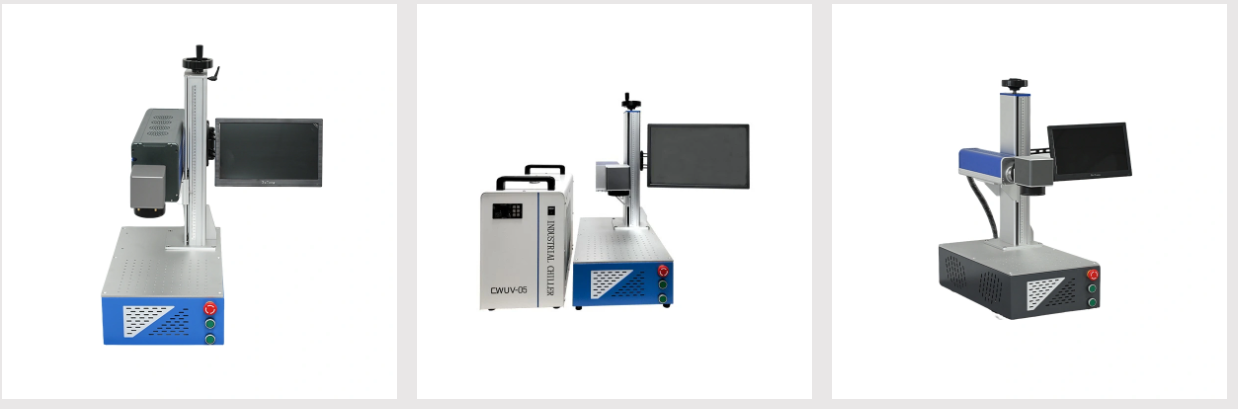
Choosing the right laser system is a critical decision for modern manufacturers. Whether you need to print serial numbers on steel components, mark batch codes on plastic bottles, or engrave fine logos on glass, selecting the proper technology directly impacts output quality and daily processing efficiency.
Because different surfaces react uniquely to various light wavelengths, there is no single solution for every production line.This guide comparesfiber/CO2/UV laser markingtechnologies to help plant managers choose the right tool based on their specific factory materials.
1. Fiber Laser Marking: Built for Industrial Metals
Fiber laser systems operate at an infrared wavelength of 1064 nm.Metal surfaces absorb this specific wavelength exceptionally well, making afiber laser for metalthe industry standard for high-speed, high-contrast industrial marking.
Fiber lasers rely on thermal processing to etch or engrave.The intense focus of the beam creates permanent, wear-resistant marks that survive harsh environments, heat, and chemical exposures.
Best Material Applications
-
Metals:Stainless steel, carbon steel, aluminum, brass, copper, and iron.
-
Engineering Plastics:Harder, heat-resistant polymers like ABS and polycarbonate.
-
Coated Surfaces: Anodized aluminum and painted metal plates.
Key Industrial Use Cases
Factory operators rely on fiber units to engrave trace codes, QR patterns, and part numbers onto automotive chassis, hardware tools, and machine fittings.Furthermore, facilities needing mobile flexibility can deploy ahandheld laser marking machinepowered by a fiber source to mark large, heavy equipment directly on the shop floor.
2.CO2 Laser Marking: Optimized for Organic Non-Metals
CO2 laser machines produce light at a much longer wavelength of 10.6 µm.Because bare metals reflect light at this range, aCO2 laser for non-metalapplications provides far better efficiency and material absorption.
Instead of cutting into metal, CO2 systems vaporize surface layers on organic or synthetic materials using thermal energy.As a result, they deliver clean, sharp marks at impressive production speeds without damaging surrounding areas.
Best Material Applications
-
Organics:Wood, paper, cardboard, leather, and fabric.
-
Synthetics:Acrylic, rubber, and soft packaging films.
-
Glass:Frosted surface marking on bottles and sheets.
Key Industrial Use Cases
CO2 laser markers excel in fast-moving consumer goods (FMCG), packaging plants, apparel manufacturing, and woodworking.They quickly print expiration dates and lot numbers onto cardboard cartons, PET containers, and wooden pallets.
3. UV Laser Marking: Precision for Sensitive Parts
When heat-sensitive products require ultra-fine marking without surface damage,355nm UV markingis the preferred choice.Operating in the ultraviolet spectrum, these machines utilize "cold light" processing.
Unlike fiber or CO2 lasers that melt or burn materials through heat, UV light directly breaks the molecular bonds inside the target surface.Consequently, this photochemical process leaves virtually no thermal stress, charring, or micro-cracks on delicate substrates.
Best Material Applications
-
Delicate Plastics:Heat-sensitive polymers, thin films, and silicon.
-
Clear Glass & Ceramics:Micro-engravings on medical vials, tubes, and chips.
-
Sensitive Electronics:Printed circuit boards (PCBs) and semiconductor components.
Key Industrial Use Cases
UV lasers are widely used across the medical device, pharmaceutical packaging, and electronics assembly sectors.They produce crisp, high-contrast marks on medical IV bags, tiny microchips, and delicate plastic caps without compromising product integrity.
Laser Technology Comparison Matrix
| Technology | Light Wavelength | Core Marking Process | Primary Material Focus | Typical Applications |
| Fiber Laser | 1064 nm | Thermal (Heat-based) | Metals & hard plastics | Automotive parts, metal pipes, tools |
| CO2 Laser | 10.6 µm | Thermal (Vaporization) | Organic & non-metal | Cardboard packaging, wood, acrylic |
| 355nm UV Laser | 355 nm | Photochemical (Cold) | Sensitive plastics & glass | Medical vials, electronics, PCBs |
Selecting the Right Machine for Your Shop Floor
To determine which machine fits your operations, evaluate your daily material mix, throughput requirements, and physical floor setup:
-
Assess Material Composition:If over 80% of your production involves steel, brass, or aluminum, invest in a fiber laser system.For wood, paper, or acrylic, choose CO2.For sensitive plastics or glass, select UV.
-
Review Part Size & Portability:Fixed workbenches work well for conveyor integration.However, if you process large metal structures or bulky machinery, a portablehandheld laser marking machineoffers greater flexibility.
-
Verify Thermal Sensitivity:If heat discoloration damages your product aesthetics or structural strength, UV "cold light" avoids thermal defects entirely.
Upgrade Your Production Line
Selecting between fiber, CO2, and UV laser marking systems comes down to matching light wavelengths with your primary manufacturing materials. By choosing the proper technology, factories can lower maintenance downtime, eliminate scrap, and maintain sharp trace codes across every run.
To explore industrial-grade laser equipment built for high reliability, discover full product specifications directly at Yuanshida.


