What is a UV Laser Marking Machine?
News Details
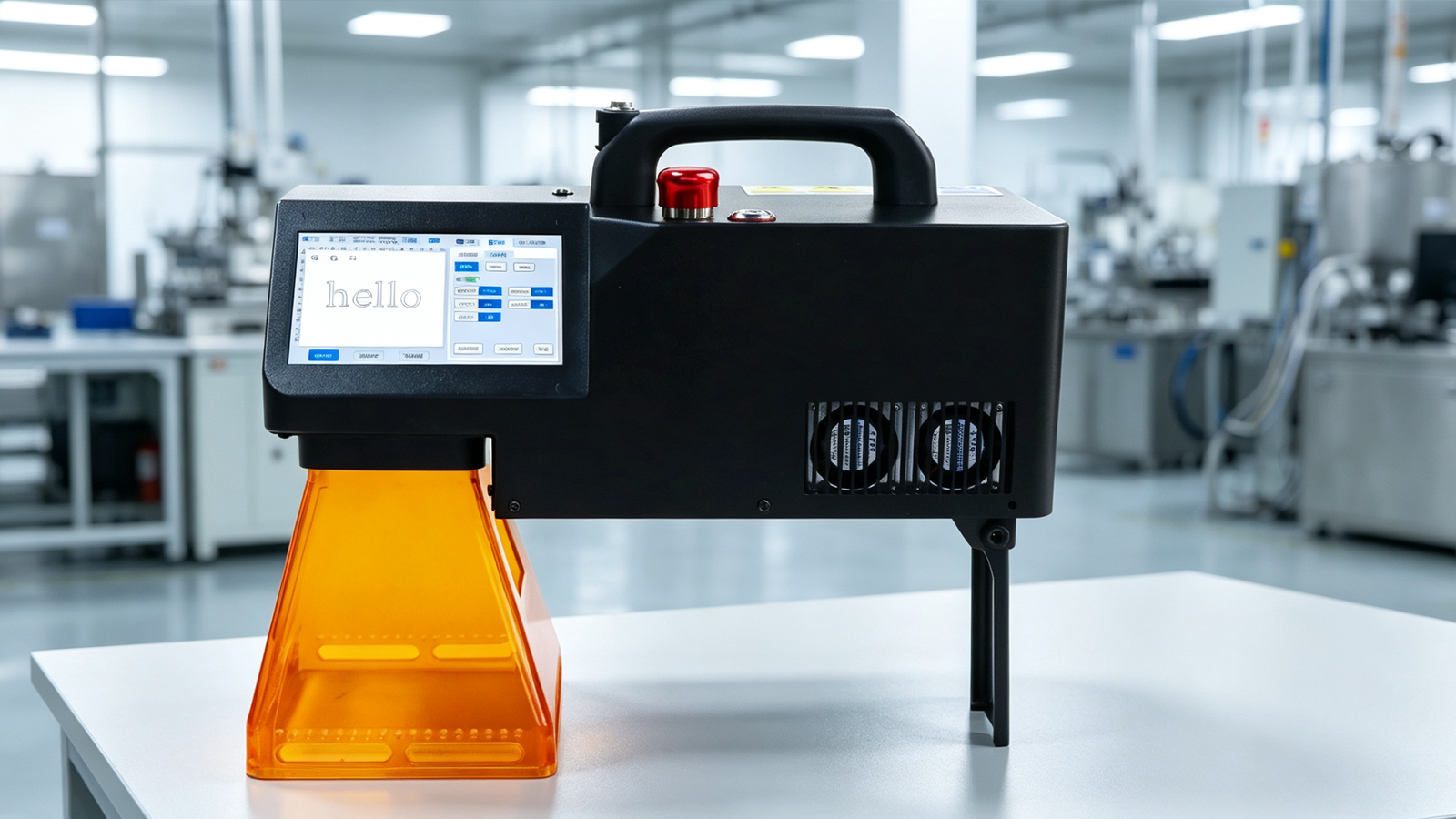
In modern industrial production, heat-sensitive materials present a unique challenge for permanent labeling. Standard fiber or CO2 lasers generate high thermal energy, which can burn, warp, or crack delicate items. To solve this problem, manufacturers rely on a specialized light source called a uv laser marking machine.
By using short ultraviolet light wavelengths, this equipment delivers ultra-fine, permanent marks without high heat.
Understanding how this technology works, where it excels, and what influences its cost helps businesses choose the right equipment for their production lines.
How Does a UV Laser Marking Machine Work?
Unlike standard thermal lasers, a laser uv marking machine operates at a short 355nm wavelength. This short wavelength produces high-energy photons that break molecular bonds directly inside the target material.
This process is known as cold marking or cold processing:
-
Non-Thermal Reaction: The laser alters the material at a molecular level without heating the surrounding area.
-
Zero Heat Damage: The workpiece experiences no melting, burning, or structural distortion.
-
Ultra-Fine Precision: The small focal spot size allows operators to create crisp, high-resolution micro-text, 2D Data Matrix codes, and intricate graphics.
Because the process does not rely on intense heat, it provides smooth, clean marks on surfaces that would otherwise burn under conventional lasers.
Processing Plastics and Sensitive Materials
Plastic materials vary widely in chemical makeup, density, and heat tolerance. Standard lasers often cause charring, discoloration, or melting on synthetic surfaces.
A uv laser marking machine for plastic provides high contrast without damaging surface integrity.
Common synthetic materials processed with UV lasers include:
-
Polyethylene (PE) and Polypropylene (PP): Used extensively in food packaging and automotive containers.
-
Polycarbonate (PC) and ABS: Used for electronic housings, appliances, and automotive switches.
-
Medical-Grade Silicones and Polymers: Ideal for catheters, tubing, and surgical tools requiring smooth surfaces to prevent bacterial growth.
Because the beam creates a clear chemical color change rather than physical grooves, the surface remains completely smooth to the touch.
Marking Metals and Coated Surfaces
While fiber lasers dominate heavy metal processing, a uv laser marking machine for metal serves specific high-precision industrial roles.
Key metal applications include:
-
Precious Metals: Gold, silver, and platinum items receive clean marks without metal loss or surface burn marks.
-
Thin Foil and Coated Metals: UV light strips away paint or anodized layers with sharp edges without scorching the base metal below.
-
Reflective Metals: High-reflectivity metals like copper and brass absorb 355nm UV light much better than standard fiber laser wavelengths.
This makes UV systems invaluable for electronics, micro-components, and delicate metal parts where thermal stress must be completely eliminated.
Key Advantages for B2B Operations
Upgrading to UV laser technology offers clear operational benefits across demanding manufacturing environments:
-
High Traceability: Barcodes, QR codes, and serial numbers remain readable throughout the entire product lifecycle.
-
Zero Consumables: Systems run entirely on electricity without inks, solvents, or replacement blades.
-
Cleanroom Compatibility: Cold processing produces minimal debris or fumes, making it suitable for cleanroom environments.
-
Versatile Material Handling: A single unit processes glass, plastics, ceramics, and metals seamlessly.
Understanding UV Laser Marking Machine Price Factors
When evaluating a uv laser marking machine price, buyers will notice that UV systems generally cost more than standard fiber or CO2 units. This price difference stems from the complex optical crystals and high-precision laser sources required to convert infrared light into 355nm ultraviolet light.
Main factors affecting total investment include:
-
Laser Power Output: Standard 3W and 5W UV sources suit most plastic marking tasks, while higher 10W or 15W sources cost more but offer faster line speeds.
-
Component Quality: Premium galvo scanners, field lenses, and cooling units increase upfront cost but extend service life.
-
System Form Factor: Desktop units offer lower costs, whereas fully automated, inline conveyor systems require higher capital expenditure.
Investing in high-quality UV equipment lowers long-term operating costs by reducing material scrap and eliminating consumable expenses.
Choosing the Right Industrial Equipment
Selecting the ideal laser setup depends on your target material, daily throughput volume, and spatial constraints. For professional guidance and high-precision industrial equipment, explore options from trusted manufacturers like YSD Laser. Working alongside experienced laser technology experts ensures your factory gets the ideal wavelength, power level, and setup for lasting success.
Conclusion
A uv laser marking machine is an essential asset for manufacturers working with heat-sensitive plastics, delicate metals, glass, and micro-electronics. By using cold processing technology, this equipment delivers permanent, high-contrast marks without damaging your products. Evaluating your material needs, production speed, and overall budget will help you select the ideal UV system to improve your factory floor efficiency


