What Are the Different Types of Laser Machines?
News Details
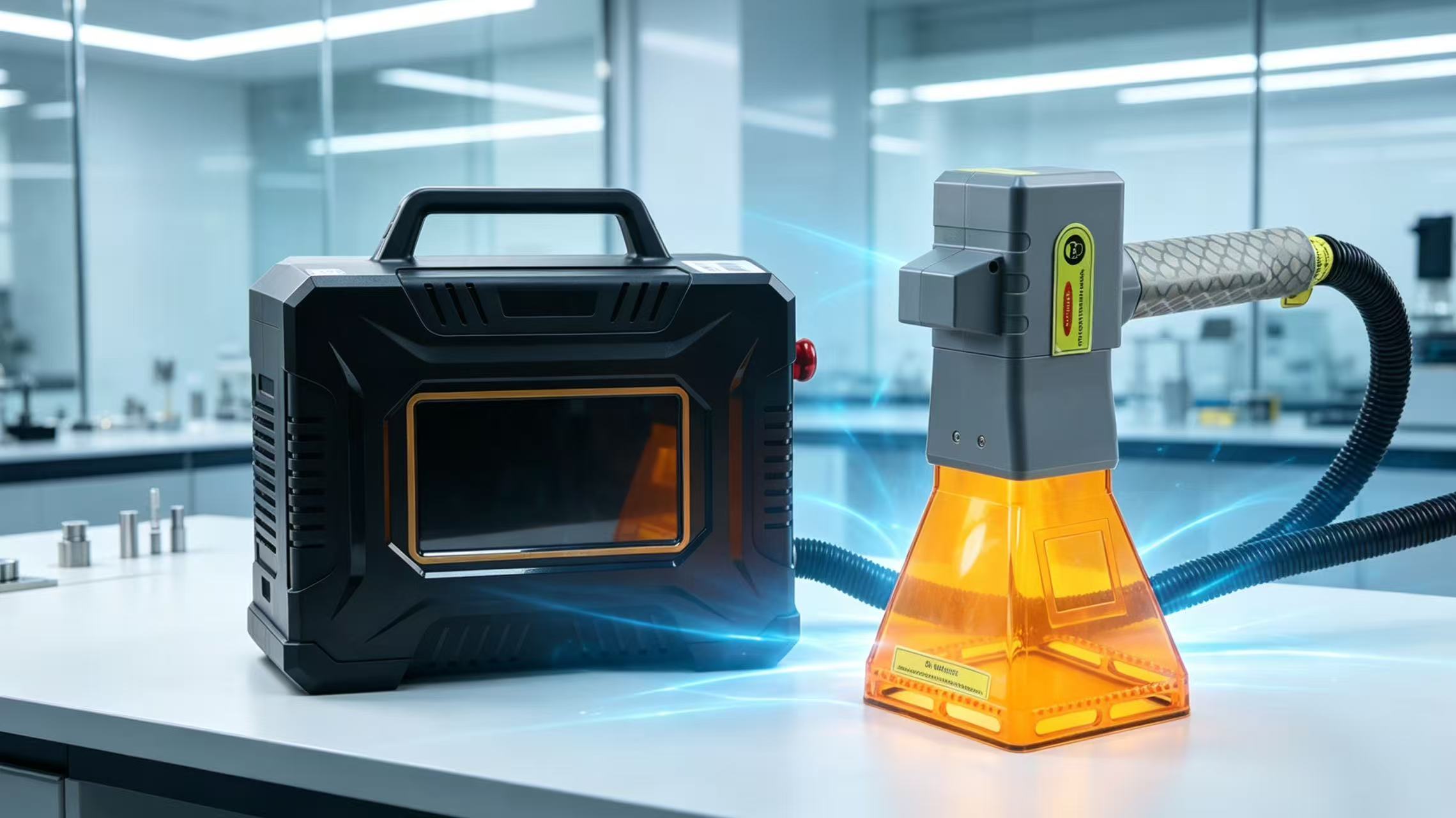
In modern industrial production, choosing the right laser equipment is essential for product traceability, branding, and efficient processing. Laser systems perform a wide variety of tasks, from permanent part marking to high-precision cutting. However, because different materials react uniquely to light frequencies, manufacturers produce several distinct equipment configurations.
Understanding the main categories helps businesses select the right equipment for their specific materials, production speed, and factory space.
Laser Machines Classified by Laser Source
The core technology of any laser system is its light source. The wavelength of the laser beam determines which materials the machine can mark or process effectively.
Fibre Laser Marking Machine
A fibre laser marking machine uses an optical fiber doped with rare-earth elements to generate its beam. Operating at a wavelength around 1064nm, fiber lasers deliver high energy density and exceptional electrical efficiency.
-
Best For: Metals such as stainless steel, aluminum, brass, copper, and titanium, as well as hard engineered plastics.
-
Key Advantages: Long service life, minimal maintenance needs, and rapid processing speeds.
CO2 Laser Marking Machine
A CO2 laser marking machine generates light through a carbon dioxide gas mixture, operating at a longer wavelength of 10.6 micrometers. Organic materials absorb this specific wavelength very efficiently.
-
Best For: Non-metallic materials including wood, acrylic, glass, paper, leather, rubber, and organic textiles.
-
Key Advantages: Clean surface etching on delicate or porous non-metal surfaces with clear visual contrast.
Ultraviolet Laser Marking Machine
An ultraviolet laser marking machine produces a short 355nm wavelength. Often called "cold marking," UV light breaks molecular bonds on material surfaces without generating high heat.
-
Best For: Heat-sensitive plastics, medical silicones, glass containers, circuit boards, and delicate electronic chips.
-
Key Advantages: Extremely fine beam quality that eliminates heat damage, surface micro-cracks, and material warping.
Laser Machines Classified by Form Factor and Portability
Beyond the internal light source, laser systems come in various physical designs to suit different shop floor layouts and workpiece sizes.
Desktop Laser Marking Machine
A desktop laser marking machine features a compact benchtop enclosure. It integrates the laser head, power supply, and control units into a small footprint, making it an ideal choice for small workshops and lab environments.
Portable Laser Marking Machine
When products are too heavy or bulky to move easily, a portable laser marking machine offers an agile alternative. These mobile units roll across shop floors, allowing operators to mark items directly in assembly zones.
Handheld Laser Marking Machine
For maximum flexibility, a handheld laser marking machine features a lightweight, ergonomic marking head connected to a flexible optical cable. Operators can easily hold the device to apply barcodes, serial numbers, or logos onto large pipes, structural steel, or installed machinery.
Miniature Multi Material Laser Marking Machine
Versatility is critical for facilities handling mixed product lines. A miniature multi material laser marking machine combines a small physical footprint with broad material capability, allowing operators to process metals, plastics, and ceramics on a single compact system.
Choosing the Right Laser Machine for Your Business
When evaluating industrial laser machinery for your production line, keep these three essential factors in mind:
-
Material Composition: Metals require fiber lasers, organic materials need CO2 systems, and heat-sensitive substrates require UV technology.
-
Part Size and Mobility: Choose a fixed desktop laser marking machine for small components, or opt for a handheld laser marking machine for massive structures.
-
Production Volume: High-speed automated assembly lines benefit from dedicated laser marking machine workcells that integrate directly into conveyor setups.
To explore tailored equipment options and find reliable laser technology for your factory, consult experienced industry specialists at YSD Laser. Working with established suppliers ensures your machinery meets long-term quality and output targets.
Conclusion
From a robust fibre laser marking machine to a precise ultraviolet laser marking machine or a flexible portable laser marking machine, selecting the correct system depends on your specific materials and operational layout. By matching the laser source and physical design to your production requirements, you can optimize product quality, reduce downtime, and improve overall factory efficiency.


