Medical Device Laser Marking and UDI Compliance
News Details
Medical device manufacturers need markings that are clear, safe, and long-lasting. From surgical instruments to metal implants and plastic housings, every component may require a code, logo, serial number, batch number, or UDI mark. These markings support traceability and must remain legible through cleaning, packaging, shipping, and daily use.
That is why many manufacturers choose medical device laser marking. It produces precise, permanent marks without ink, labels, or additional consumables. For many B2B production lines, it also offers a clean and consistent method to support UDI compliance.
Yuanshida provides industrial laser marking equipment for metals, plastics, glass, ceramics, and other materials. With desktop, benchtop, handheld, UV, CO2, and fiber laser marking machines, Yuanshida helps manufacturers select the right system for their parts, materials, and production workflow.
What Is UDI Laser Marking?
UDI stands for Unique Device Identification. In simple terms, it is a unique code used to identify a medical device throughout manufacturing, distribution, and use. For many reusable devices, the UDI may need to be marked directly on the device itself.
UDI laser marking is the process of using a laser to create this code on the part surface. The mark may include plain text, a 2D Data Matrix code, a barcode, a serial number, or other product information.
Unlike printed labels, laser marks do not peel off. They also do not require ink or solvents. As a result, laser marking is a strong option for medical parts that must withstand repeated cleaning, sterilization, or handling.
Why Direct Part Marking Matters for Medical Devices
Direct part marking places essential information directly on the device. This is particularly important when labels may become detached, damaged, or separated from the product.
For reusable instruments, direct part marking can help hospitals and supply chain teams track the device throughout its lifecycle. It can also assist manufacturers with quality control, recall management, and after-sales support.
In addition, direct part marking improves traceability. If a batch issue occurs, teams can scan the marked code and quickly access relevant production information. Therefore, a clear and durable mark can reduce risk and save time.
Common Medical Devices That Require Laser Marking
Laser marking can be applied to a wide range of medical products and components, including:
Surgical instruments, such as forceps, scissors, clamps, and handles.
Orthopedic components, such as plates, screws, and surgical trial instruments.
Dental tools, such as drills, scalers, and implant components.
Stainless steel trays, cases, and reusable accessories.
Plastic medical housings, connectors, caps, and test components.
Because each part has different shape, size, and material requirements, the marking system should be selected carefully.
Stainless Steel Medical Marking
Stainless steel is widely used in medical instruments because it is strong, easy to clean, and resistant to corrosion. However, it also requires a mark that will not damage the part or affect its performance.
Stainless steel medical marking is commonly performed with a fiber laser. A fiber laser can produce sharp text, logos, QR codes, and Data Matrix codes on metal surfaces. It also supports high-speed production and clear contrast.
For many stainless steel instruments, the goal is not only a dark mark, but a stable mark that remains legible after repeated use. Therefore, power, speed, frequency, focus, and marking depth should all be tested before mass production.
Fiber, UV, and CO2 Laser Options
Different materials require different laser types. Yuanshida offers several product lines, allowing manufacturers to match the laser to the specific application.
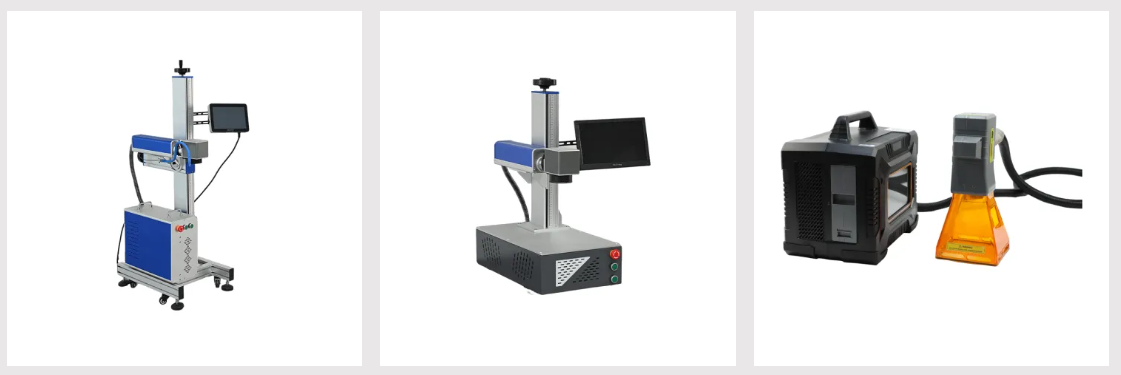
Fiber laser marking machines are commonly used for stainless steel, titanium, aluminum, and many other metals. They are a strong option for direct part marking on surgical instruments and metal medical components.
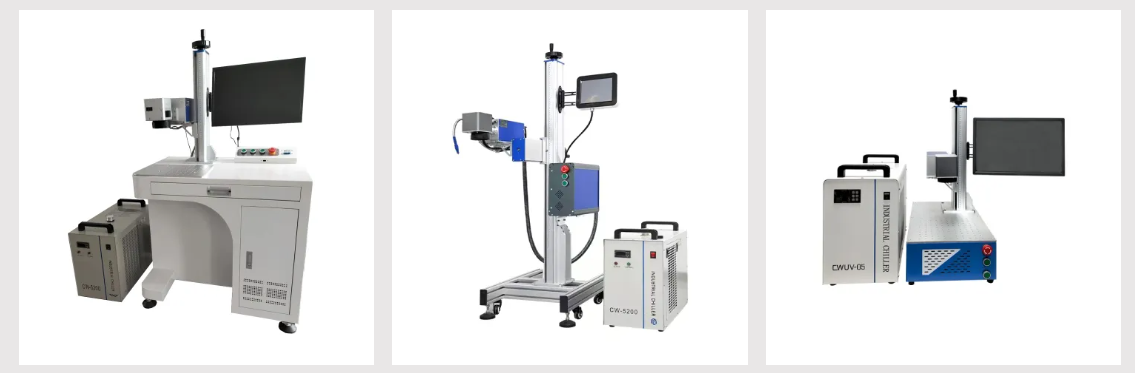
UV laser marking machines use cold processing. This helps reduce heat effects on sensitive materials. As a result, UV lasers are often used for fine marking on plastics, glass, ceramics, and delicate components.
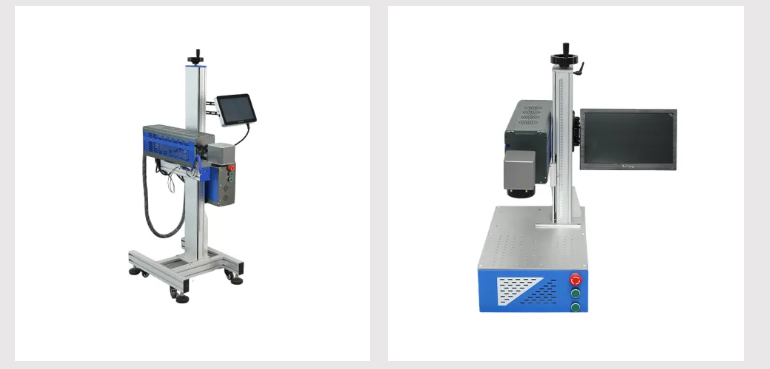
CO2 laser marking machines are commonly used for non-metal materials, including certain plastics, paper packaging, wood, leather, and carton materials. They can be useful for outer packaging or non-metal production applications.
Key Benefits of Medical Device Laser Marking
Medical device laser marking provides numerous practical benefits for manufacturers.
First, the marks are permanent. They are more resistant to wear than many labels or printed marks.
Second, the process is clean. It does not require ink, labels, or chemical additives.
Third, the mark quality is high. Small codes and fine text can remain legible, even on compact parts.
Fourth, laser marking is flexible. The same system can mark serial numbers, batch codes, logos, dates, QR codes, and UDI codes.
Finally, laser marking can be easily integrated with production data systems. This helps manufacturers establish a more efficient traceability process.
How Laser Marking Supports UDI Compliance
UDI compliance is not simply about placing a code on a product. The code must be accurate, legible, and linked to the correct product information.
Laser marking helps by creating a clear and durable mark directly on the device. In many cases, this supports the requirement for both human-readable text and machine-readable codes.
However, manufacturers should still verify the applicable regulations for their device class, target market, and intended use. They should also test mark quality after cleaning, sterilization, passivation, or other processing steps.
In short, the laser machine is one part of the compliance workflow. Effective data management, proper code formatting, and inspection are also essential.
What to Evaluate Before Selecting a Laser Marking Machine
Before purchasing a machine, medical device manufacturers should evaluate several key factors.
Material: Is the part made of stainless steel, titanium, plastic, ceramic, glass, or coated metal?
Marking content: Do you require text, a logo, serial number, Data Matrix code, QR code, or barcode?
Part size: Is the part small, curved, flat, elongated, or heavy?
Production method: Do you require manual loading, benchtop marking, handheld marking, or inline flying marking?
Mark depth and contrast: Must the mark withstand cleaning and long-term use?
Inspection: Will the code be verified using a scanner or vision system?
By evaluating these factors in advance, you can select the appropriate laser type and reduce trial-and-error during production.
Why Choose Yuanshida for Medical Marking Projects?
Yuanshida specializes in industrial laser marking equipment that offers stable performance, precise marking, and flexible operation. Its product range includes handheld laser marking machines, desktop fiber laser marking machines, desktop UV laser marking machines, benchtop laser marking machines, and flying laser marking systems.
For B2B buyers, this product range makes it easier to find a system for pilot production, small workshops, repair stations, or 24-hour production lines. In addition, Yuanshida machines support common industrial marking requirements, including metal marking, plastic marking, code marking, and high-precision component identification.
Whether your project requires stainless steel medical marking, direct part marking, or complete medical device laser marking for traceability, Yuanshida can help match the appropriate machine to your part and process.
Create Clear, Durable UDI Marks with the Right Laser System
Medical device marking must be clear, consistent, and easy to trace. For many manufacturers, UDI laser marking is an efficient way to create permanent codes on metal and plastic parts without consumables.
With the appropriate laser source, process parameters, and code management, manufacturers can improve component traceability and support UDI compliance requirements. Yuanshida provides practical laser marking solutions for medical device manufacturers that need precision, durability, and reliable production performance.


