What is a Laser Marking Machine? A Complete Industrial Guide
News Details
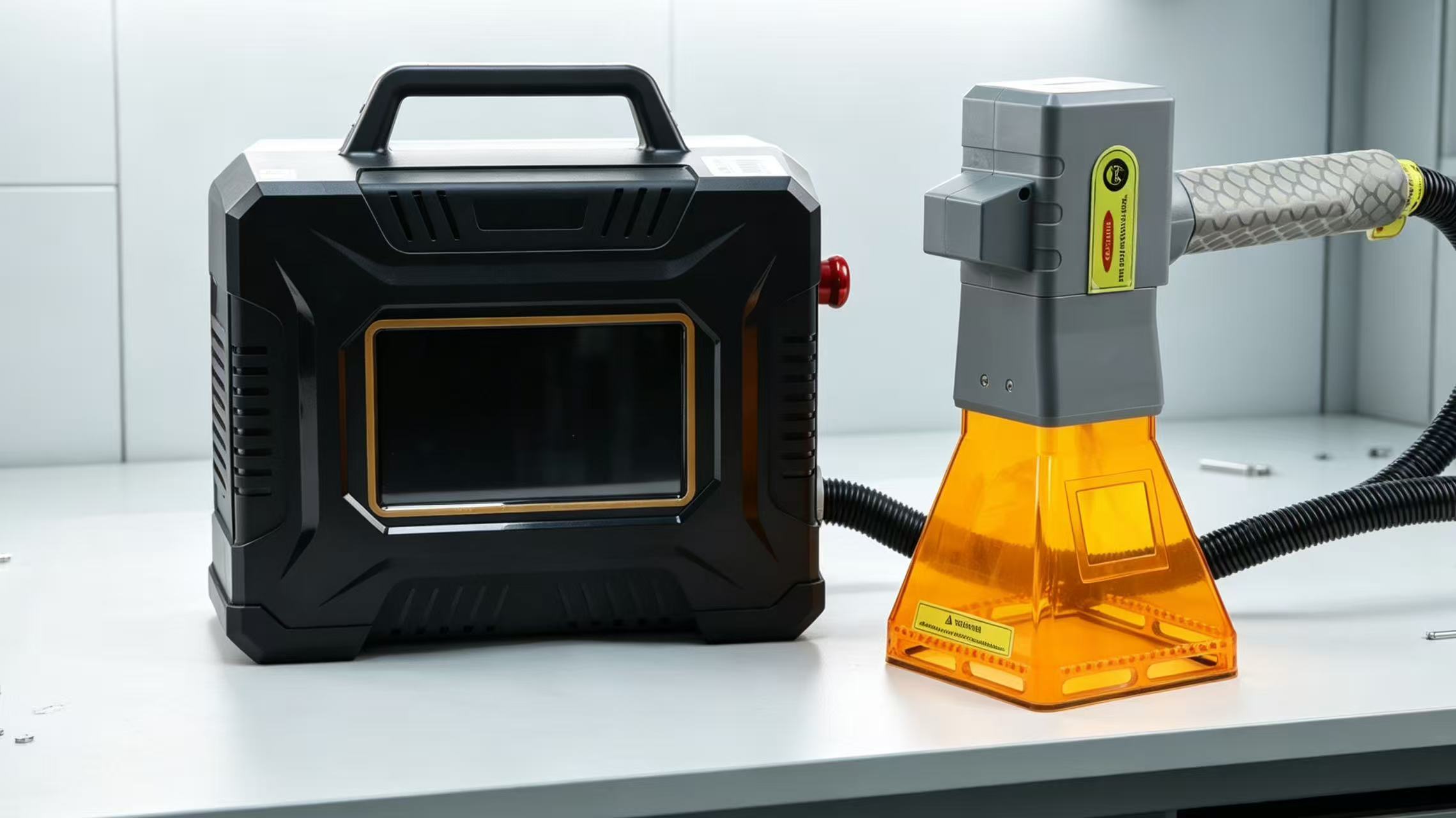
In modern manufacturing, product traceability and permanent identification are essential. From medical devices to automotive parts, businesses need clear codes, serial numbers, and logos on their products.
A laser marking machine is an advanced industrial tool that uses a focused beam of light to create permanent marks on a wide variety of materials. Unlike traditional methods like inkjet printing or physical engraving, laser marking does not rely on inks, chemicals, or direct tool contact.
As a result, companies across industries use this technology to lower operational costs, improve product quality, and streamline production line efficiency.
How Does Laser Marking Work?
Laser marking relies on concentrated optical energy. The system directs a high-density laser beam onto a target surface. When the beam meets the material, it causes a precise thermal or chemical reaction.
Depending on the material and laser type, this interaction produces marks through a few main processes:
-
Color Change (Annealing): Heat alters the material's oxidation state without removing surface material, creating clean marks on metals like stainless steel and titanium.
-
Surface Etching and Engraving: The laser melts or vaporizes material to leave a distinct depth or contrast.
-
Ablation (Layer Removal): The laser strips away a top coating or paint layer to expose the base surface below.
-
Cold Processing: Short UV light wavelengths break molecular bonds without producing heat damage, making it ideal for delicate plastics and glass.
Because there is no physical contact between the machine head and the item, tool wear is eliminated entirely.
Essential Types of Laser Marking Machines
Different manufacturing environments demand different configurations. Whether your business needs a fixed workstation or a flexible mobile solution, several equipment types exist to suit your operational goals.
1. Standard Industrial Workstations
A standard laser marking machine serves as the backbone of modern factory lines. These systems integrate smoothly into automated setups or stand as individual work cells. They deliver fast processing speeds, long service life, and minimal maintenance needs.
2. Desktop Laser Marking Machine
When workshop space is limited, a desktop laser marking machine offers an ideal solution. This compact setup places the laser source and marking optics on a small footprint. Despite its smaller size, it delivers high precision for batch production, electronic components, and custom branding tasks.
3. Portable Laser Marking Machine
Factories and warehouses often deal with heavy or awkwardly shaped components. A portable laser marking machine brings the beam directly to the product. Operators can easily shift the machine across work zones, saving time and cutting down on material handling costs.
4. Handheld Laser Marking Machine
For maximum mobility on the shop floor, a handheld laser marking machine provides complete flexibility. Operators hold the marking head manually to apply barcodes, dates, or logos onto large pipes, structural steel, or installed equipment.
5. Ultraviolet Laser Marking Machine
Heat-sensitive materials require a subtle touch. An ultraviolet laser marking machine (UV laser) uses short 355nm wavelengths to perform "cold marking." It produces ultra-fine, high-contrast marks on medical plastics, glass containers, and silicon chips without causing micro-cracks or heat damage.
6. Miniature Multi Material Laser Marking Machine
Versatility is critical for businesses working with diverse product lines. A miniature multi material laser marking machine combines a compact design with broad material compatibility. It processes metals, plastics, ceramics, and coated surfaces seamlessly within a single small unit.
Key Business Benefits of Laser Marking Technology
Upgrading to laser marking delivers measurable advantages for industrial operations:
-
Permanent Traceability: Marks resist wear, high temperatures, chemicals, and UV exposure. Barcodes and QR codes remain readable throughout the product lifespan.
-
Zero Consumables: Systems operate without ink, solvents, or mechanical bits. This lowers operating costs and reduces hazardous material disposal.
-
High Speed & Precision: High-galvo scanning systems mark intricate graphics and text in fractions of a second.
-
Eco-Friendly Operation: Laser marking generates clean results without chemical runoff, helping businesses meet sustainability targets.
Major Applications Across Industries
Laser marking plays a critical role in almost every manufacturing sector:
-
Automotive & Aerospace: Permanent marking of VIN codes, engine parts, structural frames, and serial tags.
-
Electronics: Marking circuit boards, microchips, phone housings, and connectors.
-
Medical Equipment: Direct part marking (UDI compliance) on surgical tools, implants, and diagnostic instruments.
-
Packaging & Consumer Goods: Adding batch codes, expiry dates, and brand graphics to metal cans, bottles, and boxes.
Selecting the Right Solution for Your Operations
Choosing the ideal laser equipment depends on your material types, throughput volume, and spatial constraints. For expert guidance and tailored industrial laser systems, businesses consult trusted industry leaders like YSD Laser. Reviewing your production needs alongside seasoned equipment manufacturers ensures your investment delivers optimal long-term value.
Conclusion
A modern laser marking machine is a critical asset for companies striving for high precision, product traceability, and cost efficiency. Whether you choose a compact desktop laser marking machine, a mobile handheld laser marking machine, or a high-precision ultraviolet laser marking machine, adopting this technology elevates your manufacturing standards and keeps your business ahead of industry demands.


