What is the Difference Between Laser Marking Machine and Laser Engraving Machine?
News Details
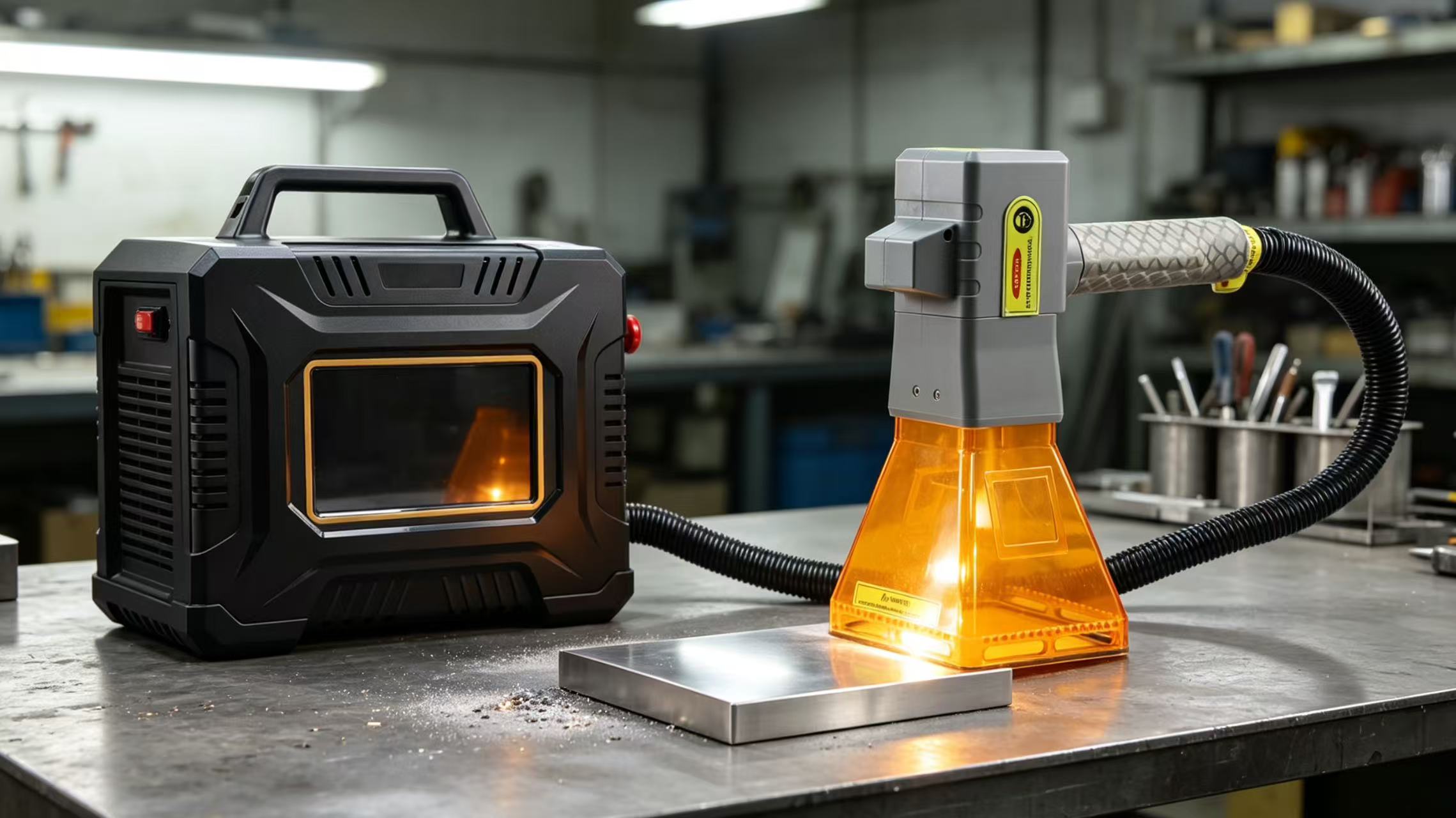
In modern industrial production, permanent product labeling is a fundamental step. Manufacturers must add serial numbers, barcodes, brand logos, and traceability codes to parts. When choosing processing equipment, buyers often wonder: what is the difference between a laser marking machine and a laser engraving machine?
Although both technologies use focused laser beams to alter material surfaces, they operate with different mechanisms, processing depths, speeds, and practical applications.
Understanding these differences helps businesses choose the right equipment, optimize production lines, and control capital expenditure.
Fundamental Working Principles
The main distinction between marking and engraving lies in how the laser beam interacts with the surface of the target material.
How Laser Marking Works
Laser marking is primarily a surface-level process. The laser beam interacts with the top layer of a material to cause a localized color change, oxidation, or light surface alteration without removing significant material.
-
Surface Impact: Minimal surface disruption. The target material remains flat and smooth to the touch.
-
Thermal Action: Low to moderate heat input, which prevents structural distortion.
-
Speed: Exceptionally fast, making it ideal for high-volume automated assembly lines.
How Laser Engraving Works
Laser engraving is a material-removal process. The high-energy laser beam vaporizes or melts the surface layer to carve physical grooves into the item.
-
Surface Impact: Creates noticeable physical depth, relief, or depression.
-
Thermal Action: High energy density concentrates heat to melt or burn away layers.
-
Speed: Slower than marking, as deep material removal requires more dwell time and multiple passes.
Key Differences Between Marking and Engraving
To make an informed decision for your production setup, compare how these technologies perform across core operational parameters.
1. Processing Depth and Contrast
-
Laser Marking: Focuses on high-contrast surface readability. It changes surface oxidation states (annealing on stainless steel) or strips surface coatings (ablation) without digging into the base structure.
-
Laser Engraving: Focuses on physical depth and durability. The carved marks remain legible even if the item suffers heavy physical wear or surface abrasion over time.
2. Processing Speed and Line Efficiency
-
Laser Marking: Offers high-speed operation. High-galvo scanning systems can mark complex 2D Data Matrix codes or logos in fractions of a second.
-
Laser Engraving: Takes more time per part because the laser must physically cut away material volume.
3. Material Compatibility
-
Laser Marking: Works across a vast range of metals, plastics, glass, and sensitive electronics with minimal thermal stress.
-
Laser Engraving: Excels on metals, wood, acrylics, leather, and thick polymers where structural relief or deep cutouts are desired.
Overview of Popular Equipment Configurations
Whether you select a system for surface marking or deep engraving, laser machinery comes in various physical forms to match factory floor space and mobility demands.
1. Desktop Laser Marking Machine
A desktop laser marking machine features a compact design that fits easily onto standard workshop benches. It is perfect for small-part processing, electronic component identification, and small-batch custom branding.
2. Portable Laser Marking Machine
When moving heavy components to a fixed machine is impractical, a portable laser marking machine provides a flexible solution. Operators can move the equipment across different workshop floors to complete on-site tasks.
3. Handheld Laser Marking Machine
For ultimate mobility, a handheld laser marking machine allows operators to bring the marking head directly to massive workpieces. It is widely used to mark large pipes, structural steel, and installed machinery.
4. Ultraviolet Laser Marking Machine
Heat-sensitive products require precise, non-thermal processing. An ultraviolet laser marking machine uses short 355nm wavelengths for cold processing. It produces high-contrast surface marks on delicate medical devices, packaging films, and glass without cracking the surface.
5. Miniature Multi Material Laser Marking Machine
Facilities handling diverse product lines often turn to a miniature multi material laser marking machine. This small system accommodates a wide array of substrate materials, from alloys to engineered plastics, without taking up heavy floor space.
Applications in Manufacturing
Selecting between a standard laser marking machine and an engraving system depends heavily on your industry standards.
-
Automotive and Aerospace: Laser marking is used for surface VIN tags and smooth engine parts. Laser engraving is chosen for deep part numbers that must survive heavy friction and outdoor exposure.
-
Medical Devices: Marking (especially UV cold marking) is preferred for surgical tools and implants to ensure direct part marking (UDI) without creating rough crevices where bacteria could build up.
-
Electronics: Surface marking provides fine detail on delicate microchips and circuit boards without damaging internal circuits.
-
Custom Crafts and Tooling: Deep engraving is ideal for creating physical molds, personalized wooden goods, and durable hand tool branding.
Choosing the Right Equipment for Your Business
To select the ideal system, evaluate your operational goals:
-
Do you need depth or speed? Choose marking for rapid line speeds and flat surfaces; choose engraving for deep physical indentations.
-
Is heat damage a concern? Use specialized systems like an ultraviolet laser marking machine for sensitive substrates.
-
What are your spatial requirements? Options ranging from a fixed setup to a handheld laser marking machine ensure your floor layout remains efficient.
For professional advice and reliable laser processing equipment tailored to industrial applications, explore options provided by experienced suppliers like YSD Laser. Partnering with established industry specialists ensures you select the optimal machinery for long-term productivity.
Conclusion
Understanding the differences between a laser marking machine and a laser engraving machine helps manufacturers make precise equipment investments. While laser engraving focuses on physical depth and material removal, laser marking provides high speed, surface precision, and zero structural wear. By evaluating your material types, speed targets, and spatial needs—whether choosing a desktop laser marking machine or a mobile unit—you can streamline your manufacturing process and improve overall quality.


