What is the Difference Between UV Marking and Fiber Marking?
News Details
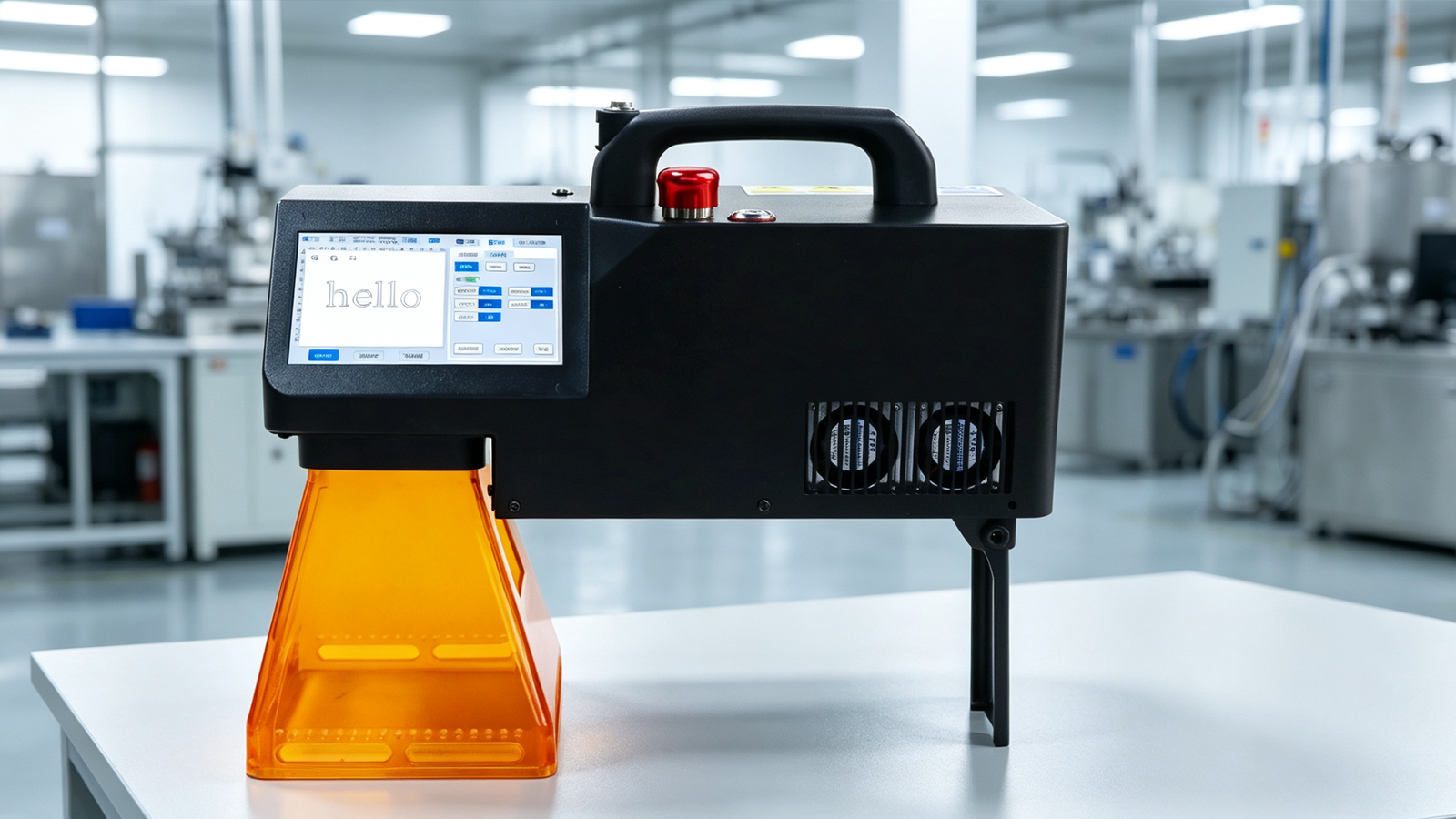
Permanent product identification is essential across modern production lines. Manufacturers use high-precision markings for part traceability, barcode scanning, and brand identification. However, choosing between a uv laser marking machine and a fiber laser marking machine often creates confusion for buyers.
While both technologies deliver permanent marks without inks or solvents, they rely on different wavelengths, light interactions, and thermal dynamics.
Understanding these differences helps businesses pick the right industrial laser marking machine, lower scrap rates, and optimize operational costs.
Laser Wavelength and Core Technology
The fundamental difference between UV and fiber marking lies in the laser wavelength and how light energy interacts with target surfaces.
Fiber Marking Technology
A laser fiber marking machine operates at a 1064nm infrared wavelength. It relies primarily on a thermal reaction.
-
Heat Generation: The focused beam generates intense local heat to melt, oxidize, or vaporize material surfaces.
-
Beam Density: Fiber systems concentrate high peak power, making them ideal for heavy-duty metal processing.
-
Processing Speed: Rapid galvo systems allow fiber laser marking machines to complete high-volume production tasks quickly.
UV Marking Technology
Alaser uv marking machine operates at a short 355nm ultraviolet wavelength. Often called "cold processing," it breaks molecular bonds directly without creating high thermal stress.
-
Non-Thermal Reaction: Photons disrupt surface bonds directly, preventing surface heat buildup.
-
Zero Thermal Distortion: Eliminates burning, charring, micro-cracks, or surface warping.
-
Ultra-Fine Focus: The smaller spot size delivers extreme precision on micro-components and delicate parts.
Material Compatibility Differences
Matching laser technology to material properties is critical to achieving clean, high-contrast results.
Metal Applications
A laser marking machine for metal typically uses fiber laser technology. A desktop fiber laser marking machine easily marks stainless steel, aluminum, brass, copper, and titanium with deep contrast.
However, a uv laser marking machine for metal serves specific roles. It works best on thin foils, highly reflective metals, or coated parts where surface heat must remain zero to prevent structural damage.
Plastic Applications
Standard plastics react differently depending on the light wavelength. A laser marking machine for plastic using fiber technology can mark hard, dark synthetics, but it may cause melting or charring on softer polymers.
In contrast, a uv laser marking machine for plastic excels on delicate polymers, polyethylene, silicone, and heat-sensitive packaging films. The cold process produces sharp, high-contrast marks while leaving the surface completely smooth.
Glass and Ceramics
Glass and delicate ceramics absorb infrared heat unevenly, which often leads to cracking. Therefore, a laser marking machine for glass relies on 355nm UV light. UV photons produce smooth micro-cracking patterns without shattering thin glass containers or optical lenses.
Machine Types and Form Factors
Both technologies are available in diverse structural configurations to match different workshop layouts and workpiece sizes.
-
Desktop Units: A desktop fiber laser marking machine offers a compact footprint for small-part production, benchtop setups, and tool workshops.
-
Portable Systems: A portable laser marking machine rolls easily across assembly zones for on-site marking tasks.
-
Handheld Options: A handheld laser marking machine lets operators bring the marking head directly to massive pipes, structural beams, or heavy machinery.
Price and Investment Considerations
Budget planning requires looking at initial machinery costs alongside long-term production requirements.
Fiber Laser Cost Overview
The fiber laser marking machine price is generally lower and highly cost-effective for metalworking shops. Because fiber sources have long operational lifespans with minimal maintenance, buying from an established fiber laser marking machine supplier delivers excellent long-term ROI for high-volume metal processing.
UV Laser Cost Overview
Conversely, the uv laser marking machine price is higher due to complex optical crystals and specialized light-conversion modules. However, for medical devices, glass containers, and delicate electronics, the cold processing capability prevents material scrap, easily justifying the initial capital outlay.
Key Comparison Summary
To choose the right equipment quickly, compare core parameters:
-
Primary Substrates: Fiber excels on metals and hard plastics; UV excels on plastics, glass, ceramics, and thin films.
-
Thermal Impact: Fiber uses high heat; UV uses cold photochemical reaction.
-
Precision Level: Both are accurate, but UV achieves finer line resolution for micro-text.
-
Service Life: Fiber systems offer lower initial cost and minimal maintenance; UV systems require higher initial investment for specialized optics.
Selecting the Right Equipment
To select the proper system for your facility, evaluate your material types, target cycle times, and structural space requirements. For expert guidance and top-grade equipment options, consult experienced manufacturers like YSD Laser. Partnering with trusted industry specialists ensures your machinery fulfills strict production standards for years to come.
Conclusion
Understanding the difference between UV marking and fiber marking ensures smarter factory equipment choices. If your business focuses on heavy metals and fast production cycles, a fiber system offers high efficiency at a competitive price. However, if your line handles heat-sensitive plastics, glass, or delicate electronics, a uv laser marking machine provides the cold-processing precision needed to protect your products and elevate brand quality.


