What is the Use of Fiber Laser Marking Machine?
News Details
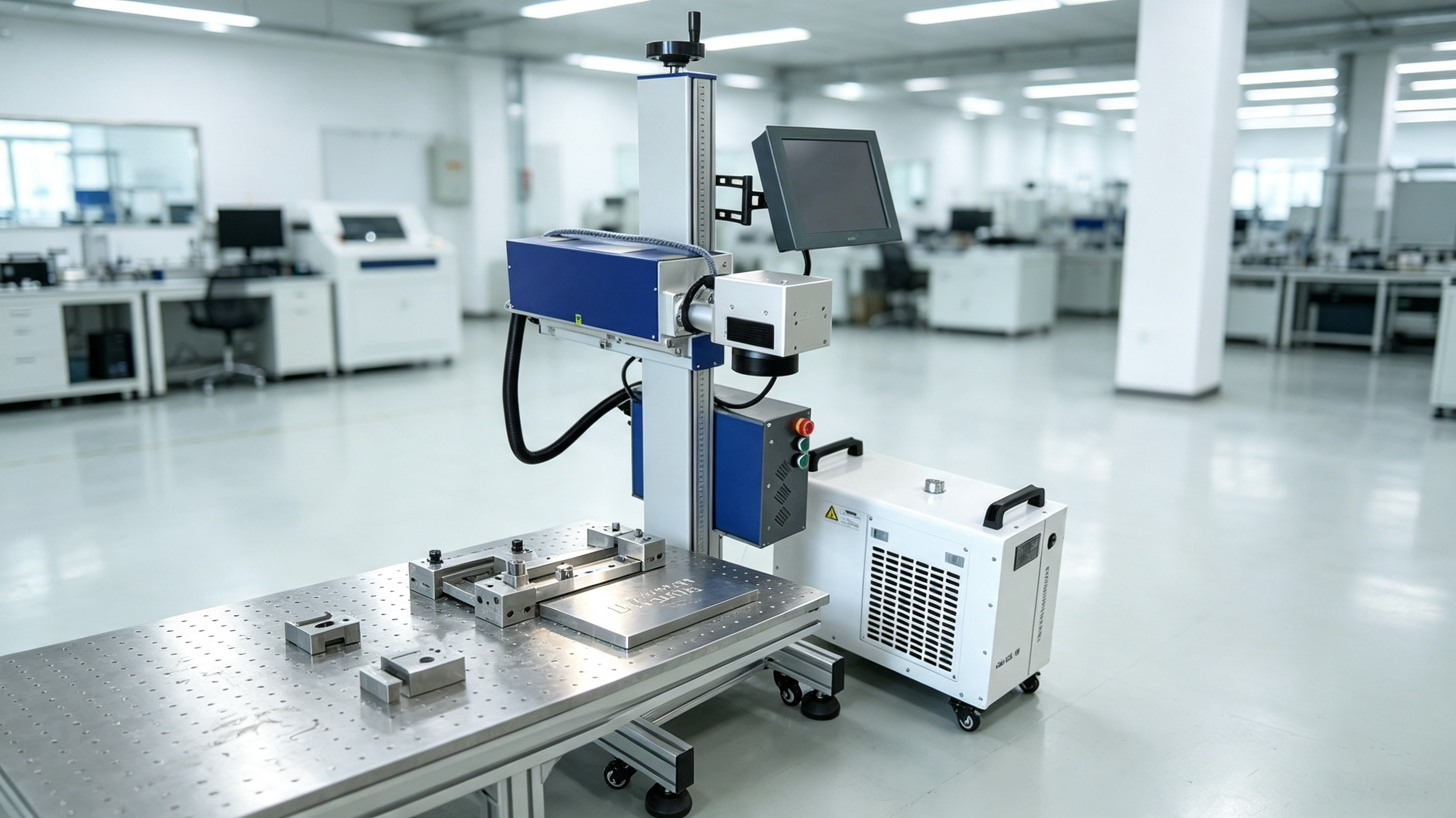
Every physical product needs a way to be identified. Modern factories must add serial numbers, QR codes, batch tags, and brand logos onto thousands of components daily.
So, what is the use of afiber laser marking machine in today's production lines?
Simply put, a laser fiber marking machine provides a fast, permanent, and contactless way to mark parts. It replaces older methods like ink printing, chemical etching, and mechanical stamping. As a result, businesses can streamline trace management while lowering long-term operating costs.
Core Functions of Fiber Laser Systems
A fiber laser system uses focused light beams to create precise marks directly on part surfaces. Unlike mechanical tools, the laser beam does not wear down or touch the material physically.
The primary operational uses include:
-
Part Traceability: Adding unique 2D Data Matrix codes and barcodes for inventory tracking.
-
Branding: Printing crisp company logos, graphics, and decorative patterns.
-
Compliance & Safety: Marking regulatory symbols, voltage warnings, and expiration dates.
-
Deep Engraving: Creating lasting serial numbers on tools and heavy machinery components.
Because the process requires no inks or toxic chemicals, companies can run cleaner shop floors while meeting strict safety standards.
Processing Diverse Engineering Materials
Different production jobs demand flexibility across various raw materials. Modern fiber laser marking machines easily adapt to multiple substrates with simple software setting changes.
High-Speed Metal Marking
Metals are the most common material processed by fiber lasers. A dedicated laser marking machine for metal creates high-contrast marks on stainless steel, aluminum, brass, copper, and titanium. Automotive and aerospace plants use these systems to mark engine valves, gears, and structural frames without causing thermal strain.
Permanent Plastic Processing
Consumer goods and electrical components rely heavily on synthetic polymers. An optimized laser marking machine for plastic alters the surface pigment without melting the surrounding material. This creates sharp, easily scannable text on ABS, PVC, polycarbonate, and nylon components.
Smooth Glass Marking
Delicate components like optical lenses, laboratory bottles, and display screens need precise handling. A specialized laser marking machine for glass uses controlled light pulses to mark smooth glass surfaces clearly without causing micro-cracks or structural failure.
Adaptability Across Different Factory Layouts
No two production floors are identical. For this reason, fiber laser equipment comes in several configurations to fit specific workplace layouts.
Benchtop Workstations
A desktop fiber laser marking machine occupies very little floor space. It fits neatly onto standard worktables, making it ideal for small electronics shops, medical tool labs, and custom repair workshops.
On-Site and Mobile Operations
For large or heavy items that cannot easily sit on a conveyor belt, a portable laser marking machine brings the marking equipment straight to the workpiece.
When working in cramped spaces or overhead areas, a handheld laser marking machine provides ultimate physical freedom. Operators simply place the lightweight head against large pipes, structural beams, or assembled equipment and trigger the laser instantly.
Automated Inline Systems
For high-volume factories operating continuously, an industrial laser marking machine mounts directly into automated conveyor lines. These heavy-duty workstations operate 24/7 with minimal downtime, providing smooth integration into smart factory systems.
Key Industry Applications
Fiber laser marking technology serves a wide variety of global industries every day:
-
Automotive: Marking VIN numbers, gear codes, and dashboard switches.
-
Medical Devices: Creating corrosion-resistant codes on surgical tools and implants.
-
Electronics: Printing micro-text on silicon chips, circuit boards, and phone bodies.
-
Hardware & Tools: Engraving size measurements onto drill bits, wrenches, and saw blades.
-
Jewelry & Crafts: Marking precious metal hallmarks, ring interiors, and custom designs.
Cost Considerations and ROI
Understanding the fiber laser marking machine price structure helps factory managers plan their equipment upgrades wisely.
While the initial purchase cost of a fiber system may be higher than an ink printer, the long-term savings are significant. Because fiber lasers require no consumables, ink cartridges, or replacement styluses, the total cost of ownership drops dramatically over time. In addition, fiber laser sources typically run up to 100,000 operational hours with minimal routine maintenance.
Choosing a Reliable Supplier
Selecting the right equipment partner ensures smooth installation and long-term production uptime. A trusted fiber laser marking machine supplier provides quality technical support, operator safety training, and reliable warranty service.
Industry leaders like YSD Laser supply versatile, high-precision laser marking systems tailored to modern manufacturing demands. By choosing durable equipment, factories can boost operational speed while keeping maintenance costs low.
Conclusion
The main use of a fiber laser marking machine is to provide fast, permanent, and precise identification on parts without messy inks or frequent maintenance. Whether processing stainless steel hardware, plastic housings, or glass containers, this technology gives manufacturers complete control over product traceability. Investing in a reliable fiber laser system helps businesses maintain quality control, lower operational expenses, and build smarter production lines.


